|
|
||
 |
|
|
 |
||
|
|
|
|
|
||
|
|
|
works
 |
|
|
|
 |
||
|
|
|
 |
|
|
|
 |
|
|
|
 |
||
|
||
|
|
|
 |
|
|
|
|
|
|
|
 |
|
|
|
|
|
|
|
 |
||
|
||
|
|
|
 |
|
|
|
|
|
|
|
 |
||
|
 |
|
|
|
|
 |
|
|
|
 |
|||
|
|||
|
|
|
|
 |
|||
 |
|||
|
|
|
|
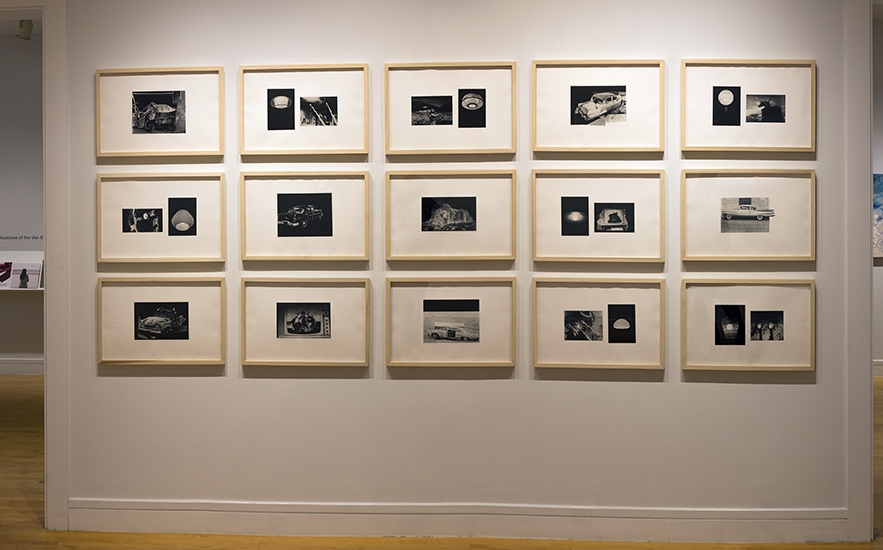
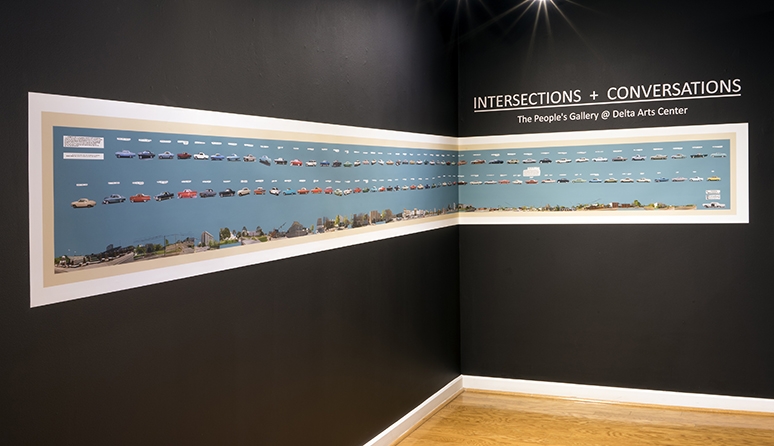
- KKK Redress Papers: Identification of Cars Participating in Klan Rally at Montgomery Alabama, March 21, 1965
- Pigment print
- Installation View at Delta Arts Center, Winston Salem, 2017
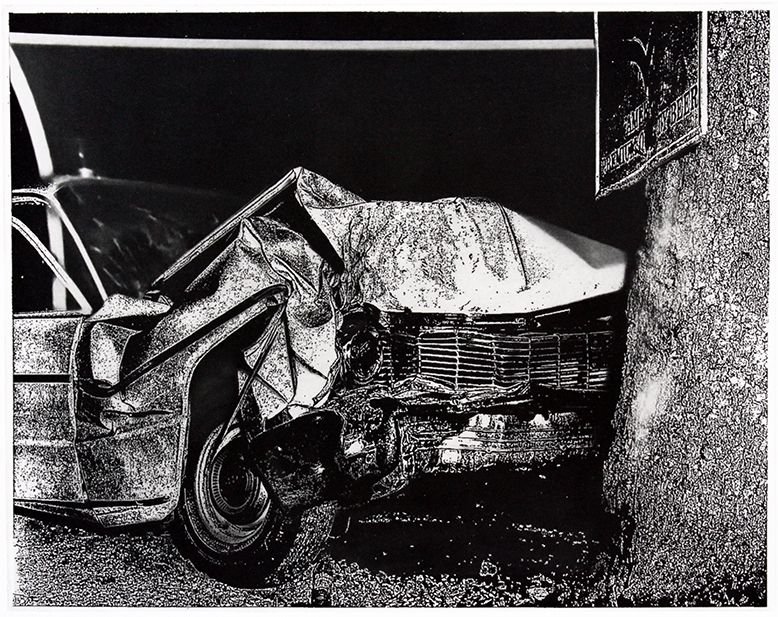
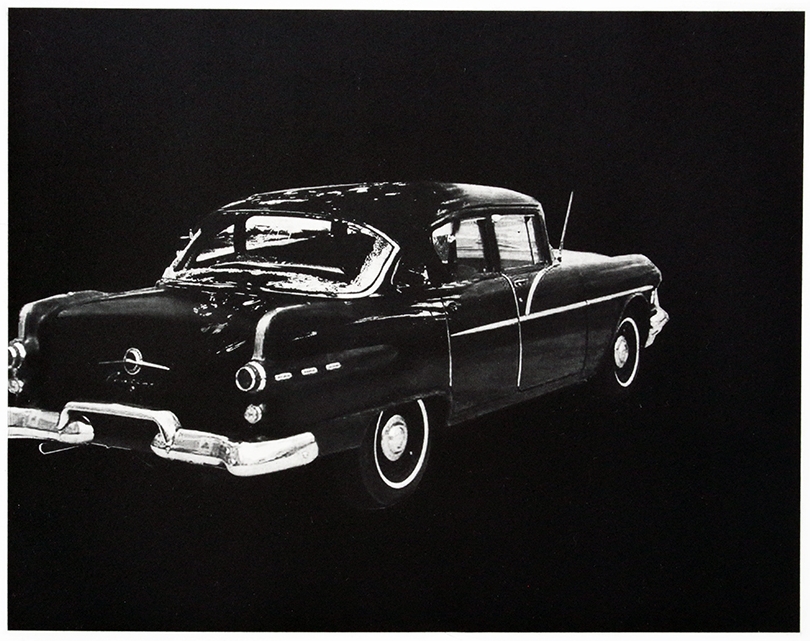
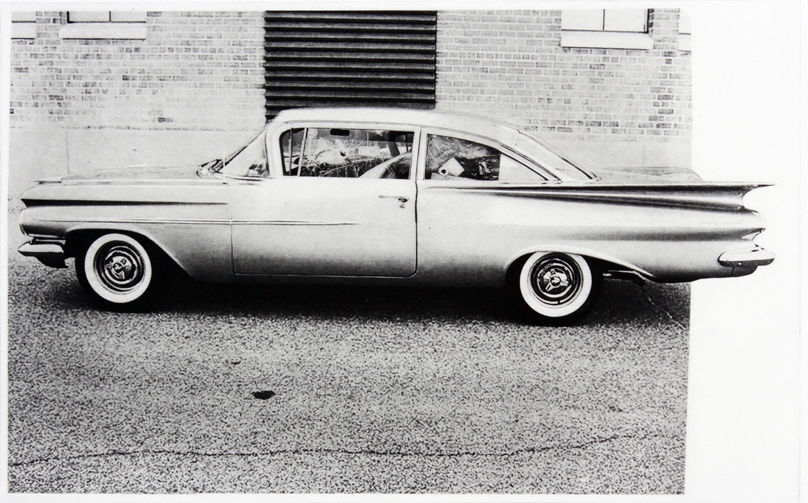
This work reconstructs a KKK motorcade that the FBI linked to the murder of the civil rights worker Viola Liuzzo on March 25, 1965. The car that carried Liuzzo’s killers participated in a 92-car motorcade organized by the United Clans of America, Inc. that traveled through Montgomery on March 21. Auto classifieds were used to find photographs corresponding to each specific description (year, make, model and color) of the KKK affiliated vehicles identified in FBI documents. Google Map was used to create a panoramic retracing of the parade route. Another aspect of the case of Viola Liuzzo explored in the piece was the attempted sale of the vehicle that Viola Liuzzo was killed in as a "Business Opportunity" to draw crowds. ·The original classified advertisement was found on microfiche and collaged into the work.
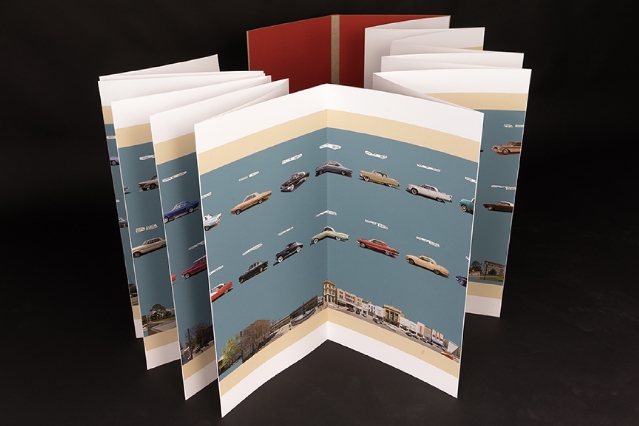
- KKK Redress Papers: Identification of Cars Participating in Klan Rally at Montgomery Alabama, March 21, 1965
- Pigment print
- Variable size, maximum= 24” x 900”, 2016
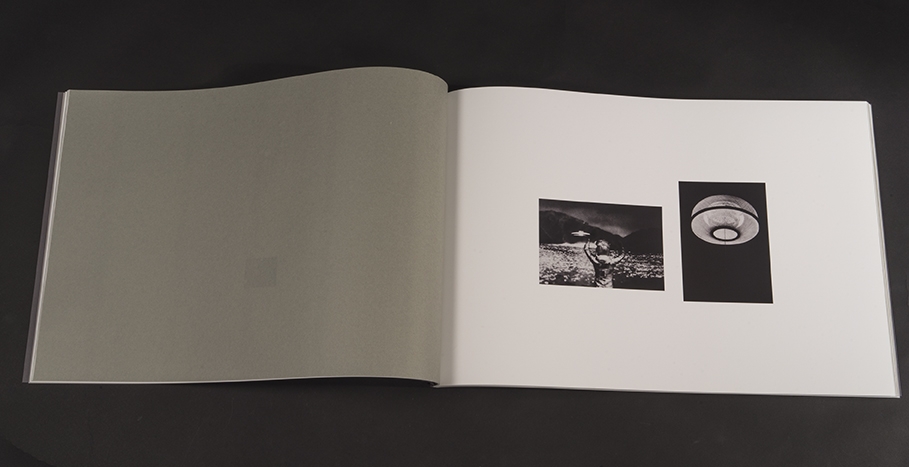
- KKK Redress Papers: Identification of Cars Participating in Klan Rally at Montgomery Alabama, March 21, 1965
- Created with assistance of a Puffin Grant
- Accordion book, hard cover with doublures, foil stamped cover
- Pigment print on Canson Edition Rag 310 gsm
- 12.5" x 23" x 1" closed, 19 panels, extends out to 230"
- Custom Clamshell
- Editionof 3 Artist Proofs, 1Handling Copy and an Edition of 16
- 2017
- Redress Papers: Bob Jones, Grand Dragon, at the House of Un-American Activities Committee hearing on Activities of the KU Klux Klan Organizations, October, 1965
- Lacquer spray paint, pencil and Japanese papers mounted on panel
- 19” x 81”, 2017
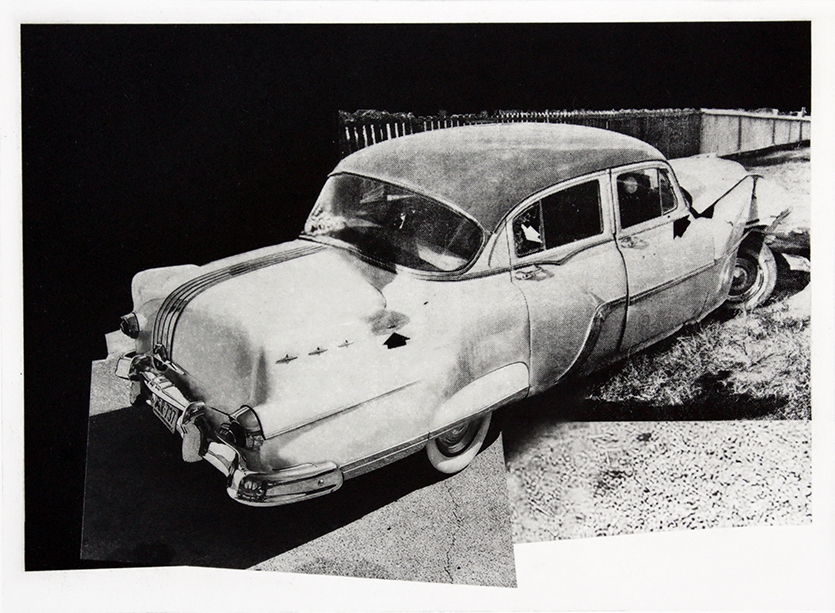
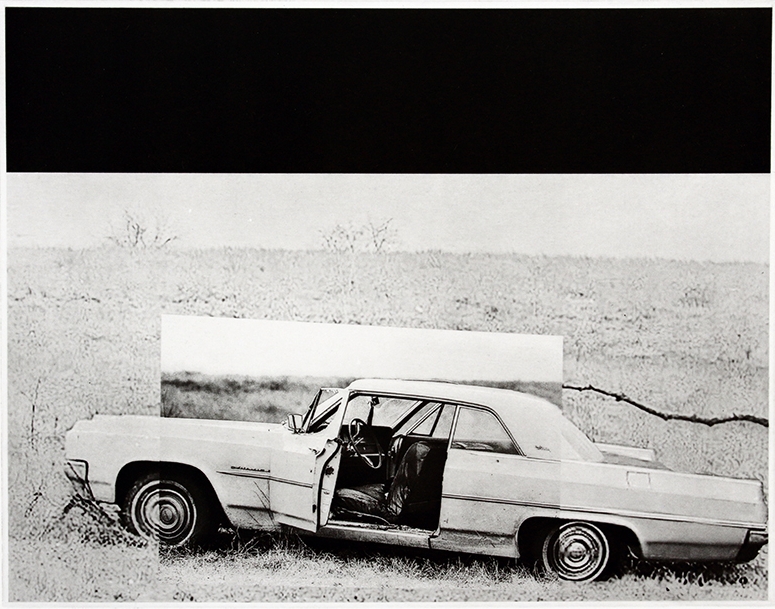
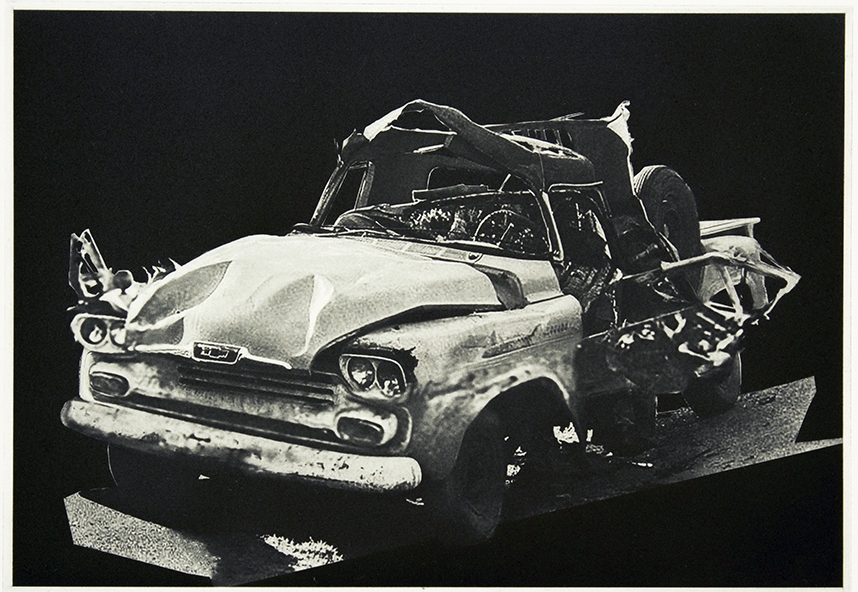
Redress Papers commemorates the messy and poetic process of trying to contextualize the present by reengaging the past. Reams of investigative documents were digested withfree associations and open ended conclusions. ·The series is composed of photogravures documenting vehicles in which individuals were assassinated by Ku Klux Klansmen. The murders are primarily unresolved cold cases. ·The victims' vehicles are reconstructed through collage of the fragments appearing in FBI documents pieced together with accurate images of the cars found in auto classifieds. Interspersed with the damaged vehicles are examples of theatrical attempts to redress humanity’s transgressions in the form of Japanese film monsters (kaiju) created at Toho studios near where I lived in Tokyo for seven years.
- Redress Papers
- Created with assistance of a Puffin Grant
- Soft cover book, whipstitched and perfect bound, foil stamped cover
- Digital print on Moab Entrada Bright 300gm
- 17” x 25” x 1" closed, 38 pages
- Edition of 2 Artist's Proofs
- 2017
- Redress Papers
- Installation View
- 2017